CIIL - NEWSLETTER , June 2026 - N° 19
Researcher Profiles
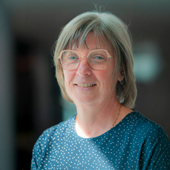
After completing a BTS in Biological Analysis at ESTBA in Paris, followed by a Bachelor’s and Master’s degree in Biochemistry at the University of Paris 7, I pursued a DEA at the Institut Pasteur in Paris in 1990. I carried out my DEA internship in the Unit of Pr J.F. Bach at Necker Hospital (Paris), and then continued at Necker Hospital with a PhD in Immunology (University of Paris 6) under the scientific supervision of Dr Françoise Lepault. During these years, I worked on a murine model of insulin-dependent diabetes, the NOD mouse. I was interested in the mechanisms involved in lymphocyte migration and recirculation within the pancreatic islets of Langerhans. Islet infiltration results from changes in the expression of adhesion molecules. In particular, we observed the appearance of HEV-like structures expressing addressins, normally present in lymphoid organs. The infiltrates are enriched in activated B and T lymphocytes, the latter not being exclusively autoreactive T cells.
After obtaining my PhD in 1994, I joined the Cellular Immunology Laboratory of Dr Ann Ager at the National Institute for Medical Research in Mill Hill, London. Dr Ann Ager is renowned for her work on lymphocyte migration in lymphoid organs. During these 3 years of postdoctoral training (1995–1998), I focused on the mechanisms of transendothelial migration of lymphocytes at HEVs. Among other findings, we showed that metalloproteinase activity is required for their passage through the endothelium into lymph nodes, highlighting their key role in this process.
Upon returning to France in 1999, I joined the Unit of Pr André Capron, where I worked more specifically in the team of François Trottein. It was in this context that I discovered the schistosome, a fascinating parasite. My work focused on the immune response directed against the ‘egg’ stage of the parasite. We notably demonstrated the important role of the glycan structures of schistosome eggs and of the CD1d molecule in the development of the Th2 response during the pathology.
After a brief period in the "Barrière Hémato-Encéphalique" laboratory in Lens in 2003 (Pr Roméo Cecchelli), I obtained a permanent researcher position (CR1) at Inserm in 2004 and returned to the laboratory of François Trottein within the Unit of Pr Monique Capron. The discovery of the importance of CD1d led me to focus on NKT cells, first in the context of schistosomiasis and then in influenza infection.
I then developed a research axis focusing on the interactions between antigen-presenting cells—particularly marginal zone B cells and dendritic cells—and NKT cells. In parallel, together with François, we conducted work aimed at optimizing NKT cell activation by targeting dendritic cells in tumor models.
Innate immune responses during respiratory infections have always been my main area of interest. I have thus continued my research on influenza infection, pneumococcal superinfection, and more specifically on the role of dendritic cells and their differentiation (DCpoiesis) during these pathologies. My work shows that influenza infection disrupts bone marrow myelopoiesis by impairing conventional dendritic cell differentiation and promoting monopoiesis, partly through reduced Flt3-L production. It also shows that administration of Flt3-L restores conventional dendritic cell production, reduces lung inflammation, and enhances resistance to secondary pneumococcal infection.
In 2020, I joined the team of Jean-Claude Sirard to pursue my work on innate immune responses during bacterial respiratory infections, with a particular focus on pneumococcus and the role of the immune system in antibiotic efficacy. In this context, I developed a strong interest in neutrophils, key and essential cells of the anti-infectious response. In 2022, I was promoted CRHC.
My current research focuses on Klebsiella pneumoniae pneumonia, a major public health concern due to its virulence and the increasing prevalence of antibiotic resistance. The overall aim of our laboratory is to develop alternative therapeutic strategies, notably by enhancing the innate immune response, in order to treat respiratory infections. In this context, it is essential to understand how the immune response is initiated. My work specifically focuses on the interactions between Klebsiella pneumoniae and dendritic cells, in order to elucidate the early mechanisms that trigger this response. Our results highlight a role for the MyD88 pathway in dendritic cells in controlling disease progression. We are now aiming to further elucidate its mechanisms of action, as well as to identify the bacterial determinants involved in the MyD88-dependent response.
Another important milestone in my career since returning to France in 1999 has been my involvement in the development of the flow cytometry platform at the Pasteur Campus. This is an area in which I have solid expertise and which represents a major component of my research activities.
Finally, over these years, I have had the opportunity to work with colleagues I have greatly appreciated and talented students, and to experience enriching scientific work and human relationships that continue today.