
BIOSTAT
Researchers at the center benefit from strong expertise in statistics applied to biological, clinical, and genomic data. A wide range of statistical approaches is combined to conduct both confirmatory and exploratory studies at the highest possible level of rigor, with particular attention paid to the quality and reliability of the results produced.
Data analyses are performed using the R software environment, which provides a vast collection of statistical methods and graphical tools through its numerous libraries. R is an open-source software widely used in research and supported by an active scientific community.
To ensure reproducibility and automation, analysis pipelines are developed using literate programming with R Markdown.
The Core Facility is also committed to promoting best practices and providing training in statistics. To this end, an introductory course in statistics is organized internally each year for students and any CIIL staff member who wishes to participate.
The Biostatistics Core Facility has contributed to numerous research projects.
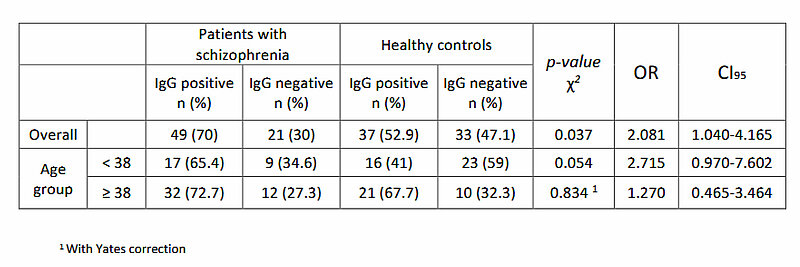
These include studies on parasitic diseases, notably toxoplasmosis, where a significant association was demonstrated between schizophrenia and infection with Toxoplasma gondii in an Algerian population (doi: 10.1016/j.psychres.2020.113293).
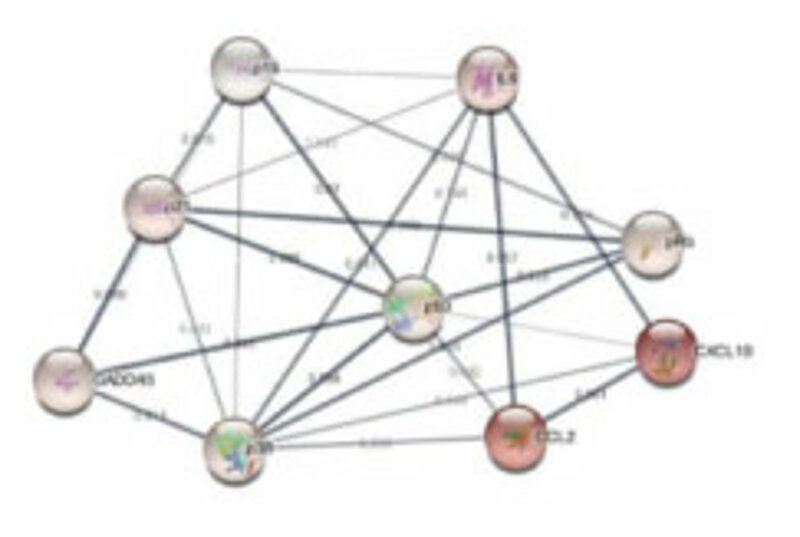
Malaria has also been the subject of research, and the integration of biological and experimental data highlighted the role of astrocyte senescence (brain cells) in the neuroinflammation associated with cerebral malaria (doi: 10.1016/j.bbi.2023.12.030).
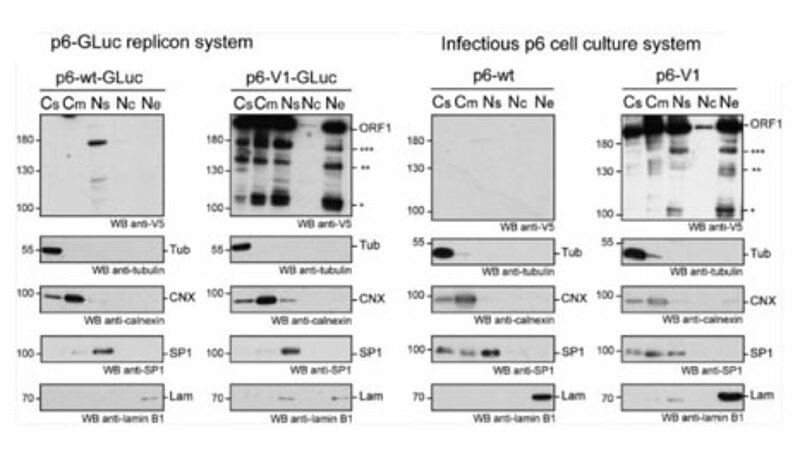
Other studies focused on the tagging of the viral replication protein ORF1 and its localization within infected cells, thereby enabling the identification of potential sites of viral production (doi: 10.3389/fmicb.2022.828636).
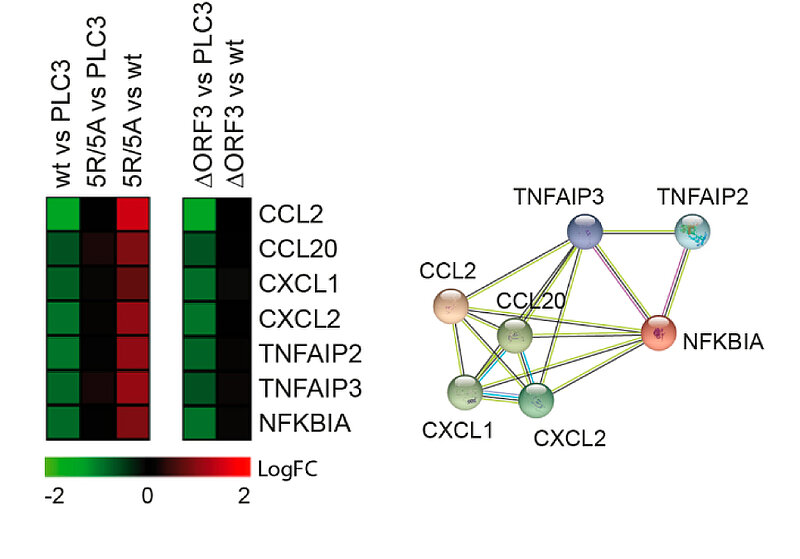
The Core Facility is also involved in research on the hepatitis E virus (HEV). In this context, an arginine-rich motif of the viral capsid protein ORF2 was identified as playing a central role in the viral life cycle. These findings contributed to a better understanding of the determinants of viral infectivity (doi: 10.1371/journal.ppat.1010798).
Additional work focused on the labeling of the viral replication protein ORF1 and its localization within infected cells, enabling the identification of potential sites of viral production (doi: 10.3389/fmicb.2022.828636).
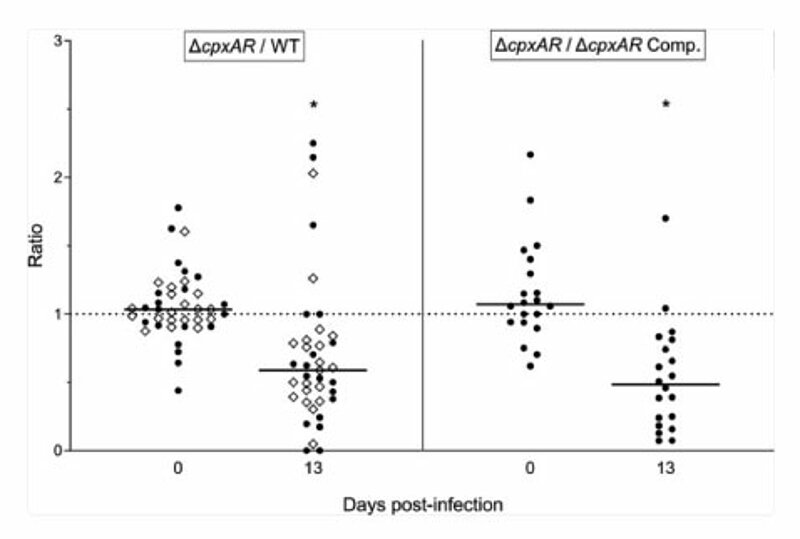
Another example of the Core Facility’s involvement is the study of Yersinia pestis, the bacterium responsible for plague and transmitted to humans through flea bites. Research focused on the CpxAR system, which is involved in stress response and copper resistance, and demonstrated that this system is essential for bacterial survival during flea infection (doi: 10.1128/jb.00173-24).
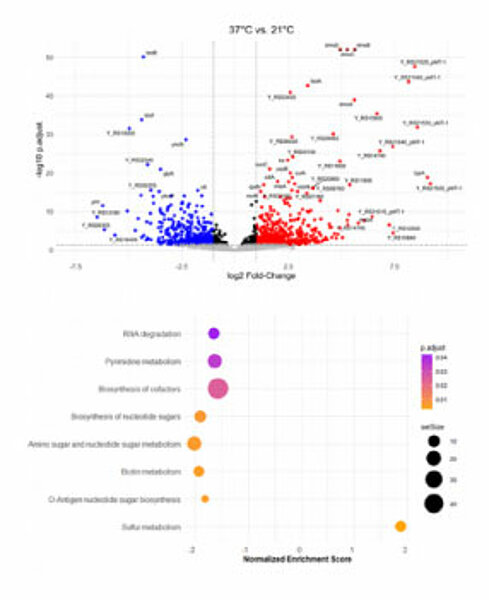
A further study examined the effect of temperature—depending on whether the infected host is a mammal or a flea—on metabolic adaptations in the bacterium (doi: 10.1038/s41598-025-05662-1).
Through its expertise and training activities, the Biostatistics Core Facility brings methodological rigor and statistical excellence to CIIL’s scientific output.