CIIL - NEWSLETTER , January 2026 - N° 18
A major regional initiative to strengthen research in the field of infectious and inflammatory diseases: the establishment of I4Lille, the Lille Interdisciplinary Institute for Infectious and Inflammatory Diseases
Infectious and inflammatory diseases are often closely linked and are a source of high morbidity and mortality. The Hauts-de-France region, in particular, has a high incidence of these diseases, which may be linked to several local factors such as the high prevalence of comorbidities (diabetes, obesity), exposure to environmental pollutants—particularly those associated with the region’s industrial past—significant overuse of antibiotics, and an unfavorable socioeconomic context. Infectious and inflammatory diseases can also reciprocally influence the effectiveness of their respective treatments. Growing resistance to immunosuppressive and anti-infective treatments, frequent complications—including metabolic disorders, fibrosis, and cancers—and the emergence of new infections underscore the urgency of an innovative approach to this major public health challenge, based on a continuum ranging from exploratory research to the development of new diagnostic, vaccine, and therapeutic tools for improved patient care.
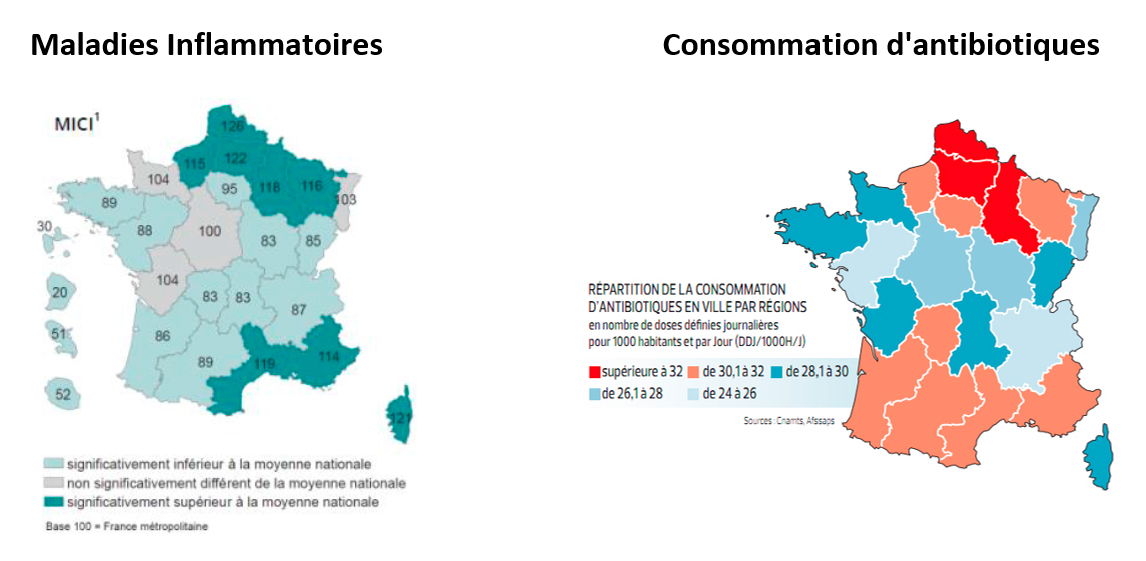
Infectious and inflammatory diseases are often closely linked and are a source of high morbidity and mortality. The Hauts-de-France region, in particular, has a high incidence of these diseases, which may be linked to several local factors such as the high prevalence of comorbidities (diabetes, obesity), exposure to environmental pollutants—particularly those associated with the region’s industrial past—significant overuse of antibiotics, and an unfavorable socioeconomic context. Infectious and inflammatory diseases can also reciprocally influence the effectiveness of their respective treatments. Growing resistance to immunosuppressive and anti-infective treatments, frequent complications—including metabolic disorders, fibrosis, and cancers—and the emergence of new infections underscore the urgency of an innovative approach to this major public health challenge, based on a continuum ranging from exploratory research to the development of new diagnostic, vaccine, and therapeutic tools for improved patient care.
I4Lille will also benefit from the MOSAIC (2024–2028) and PrimeNextGen (2025–2029) projects, which were selected under the University of Lille’s Cross-Disciplinary Excellence Program (CDP). The MOSAIC project, coordinated by Alexandre Grassart, head of the Mechanobiology of Host-Microbe Interaction team at CIIL, brings together numerous experts in the fields of microfluidics, organoids, and clinical research with the goal of accelerating innovation in new biomimetic models, commonly known as “organs-on-a-chip.” The implementation of these innovative tools will facilitate more accurate modeling of infectious and chronic diseases, paving the way for the discovery of more targeted therapies tailored to patients’ individual needs. The PRIME Next-Gen project, coordinated by David Launay (U1286) and Amélie Bonnefond (UMR8199), aims to better understand the links between metabolic and inflammatory diseases and to define a new nosography based on pathophysiological mechanisms, thereby optimizing patient care, limiting complications, and improving patients’ quality of life. Artificial intelligence will be used to analyze this data, while also assessing the equity of AI and the acceptability of this approach among patients and healthcare professionals.
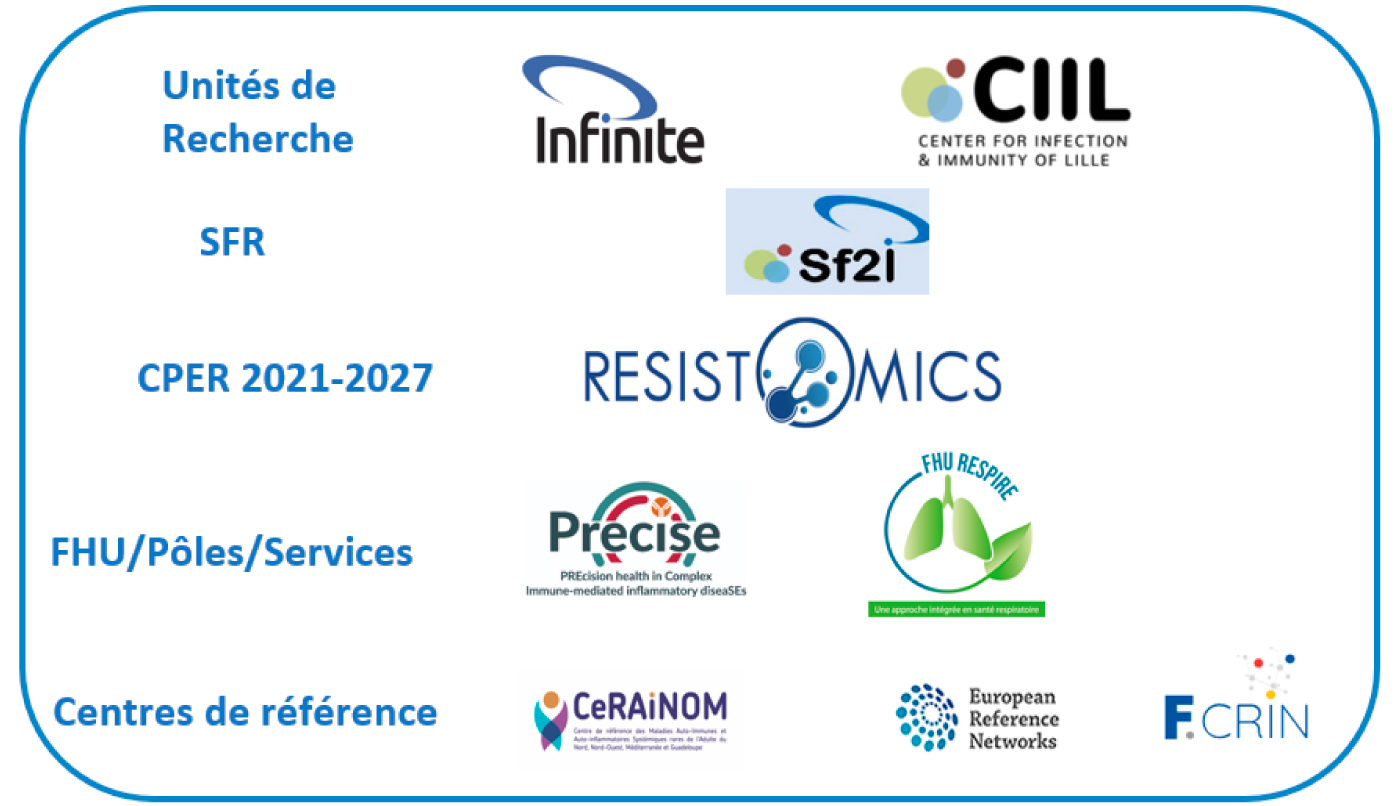
Other research programs under France 2030, such as the PEPR TRANSCEND-ID and the France Vaccines program, will also contribute to I4Lille’s translational and clinical research.
I4Lille’s strategic plan will be based on three pillars
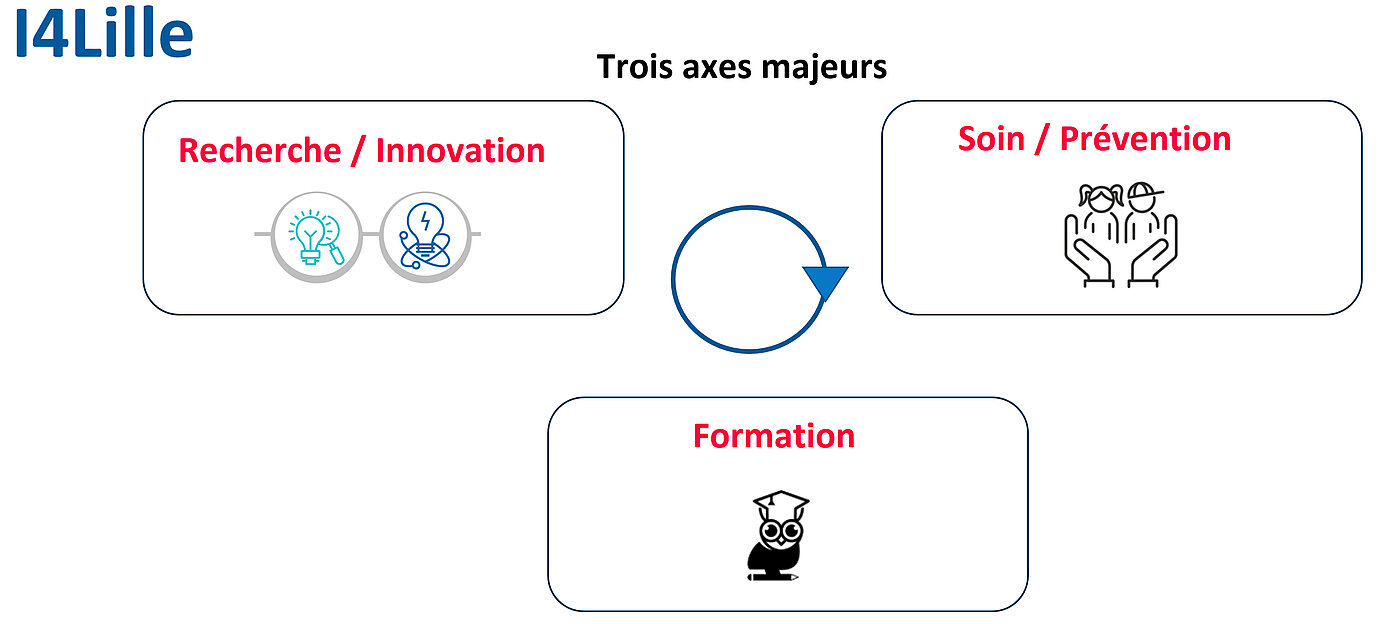
Organized around three interconnected pillars—Research/Innovation, Care/Prevention, and Training/Dissemination—I4LILLE aims to become an internationally recognized leading institute in the field of inflammatory and infectious diseases. Drawing on complementary areas of expertise and a solid organizational structure centered around the CIIL and INFINITE, I4LILLE will enhance its program of basic, translational, and clinical research through an interdisciplinary approach—the only one capable of addressing the complexity of scientific issues, challenges, and public health concerns. The Humanities and Social Sciences, Digital Sciences and AI, and Environmental Sciences will join the project, thereby providing new insights to health research teams to develop innovative solutions that benefit the population.
Following the inaugural meeting for the co-development of I4Lille, which brought together more than 60 participants representing 17 research teams, the next key step will be to work with the leaders of the three research areas to implement the development of I4Lille by identifying ambitious and distinctive themes that support prevention, patient care, research, and innovation. These research areas will inform the training of researchers and healthcare professionals on inflammatory and infectious diseases through a transdisciplinary approach. The I4Lille Executive Committee, composed of the two co-directors, Nathalie Mielcarek and David Launay, as well as the directors of CIIL (Frank Lafont) and INFINITE (Laurent Dubuquoy), will focus particularly on communicating the results of I4Lille’s basic, applied, and clinical research to the general public, and especially to patients.